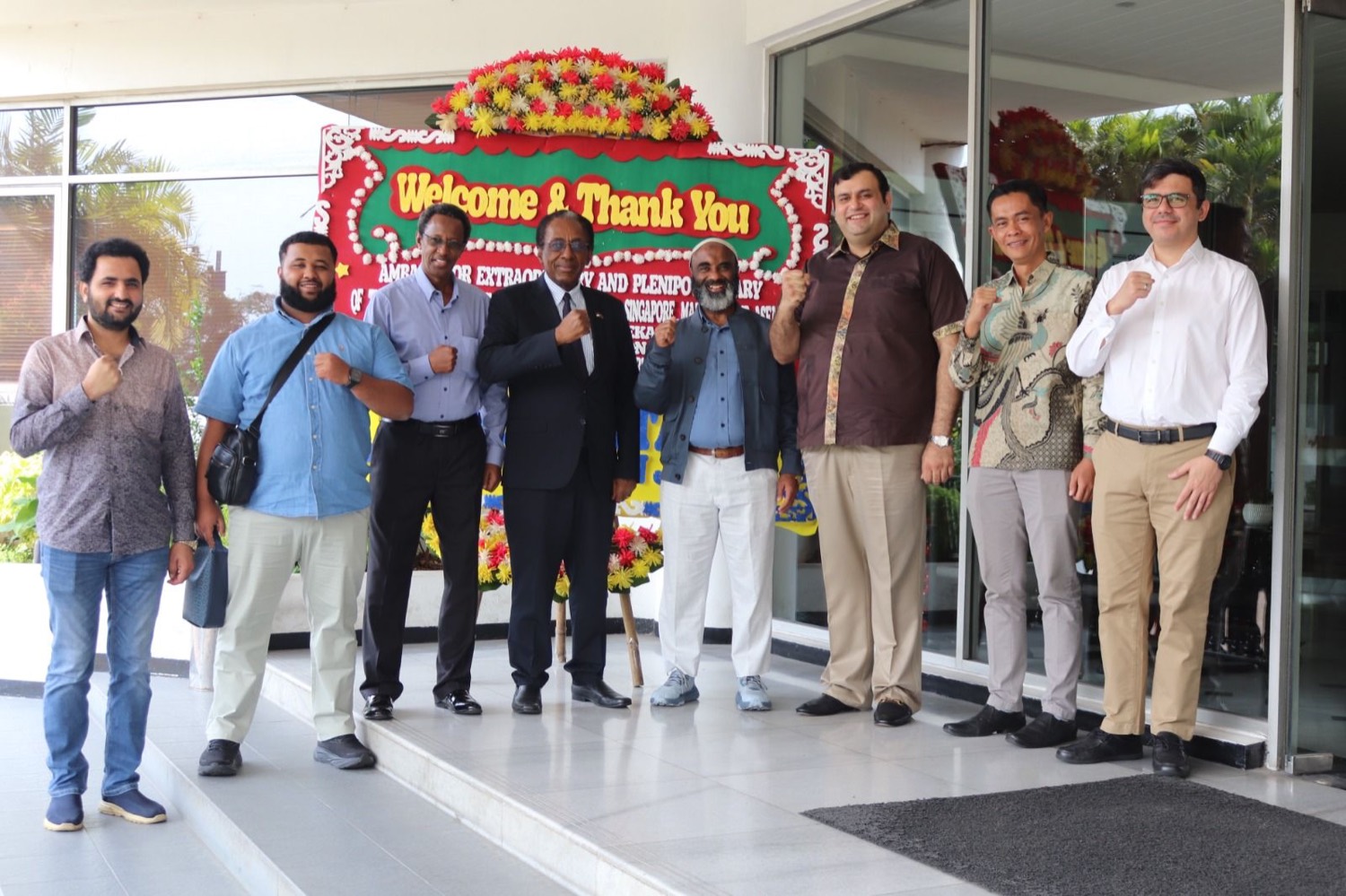
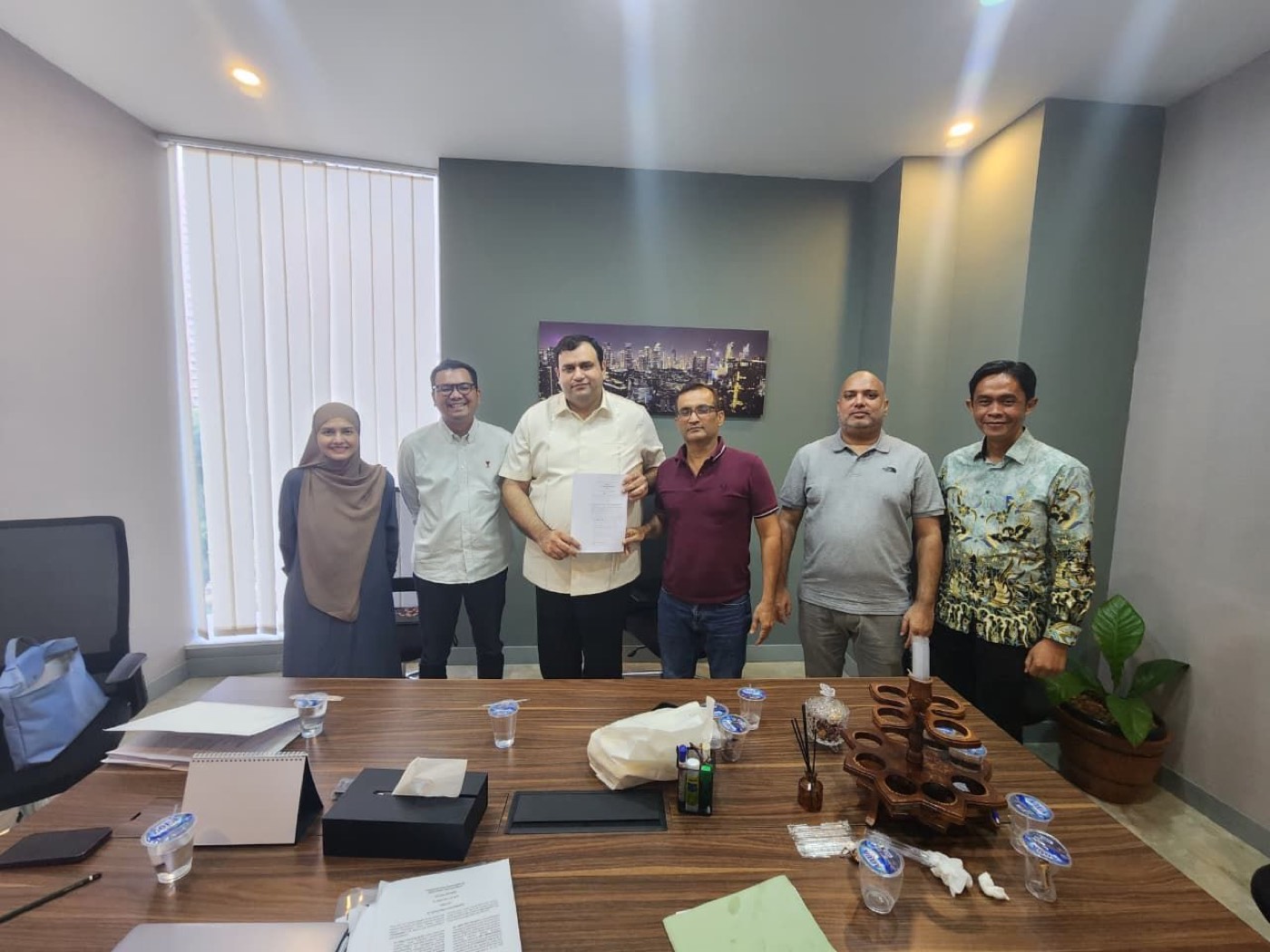
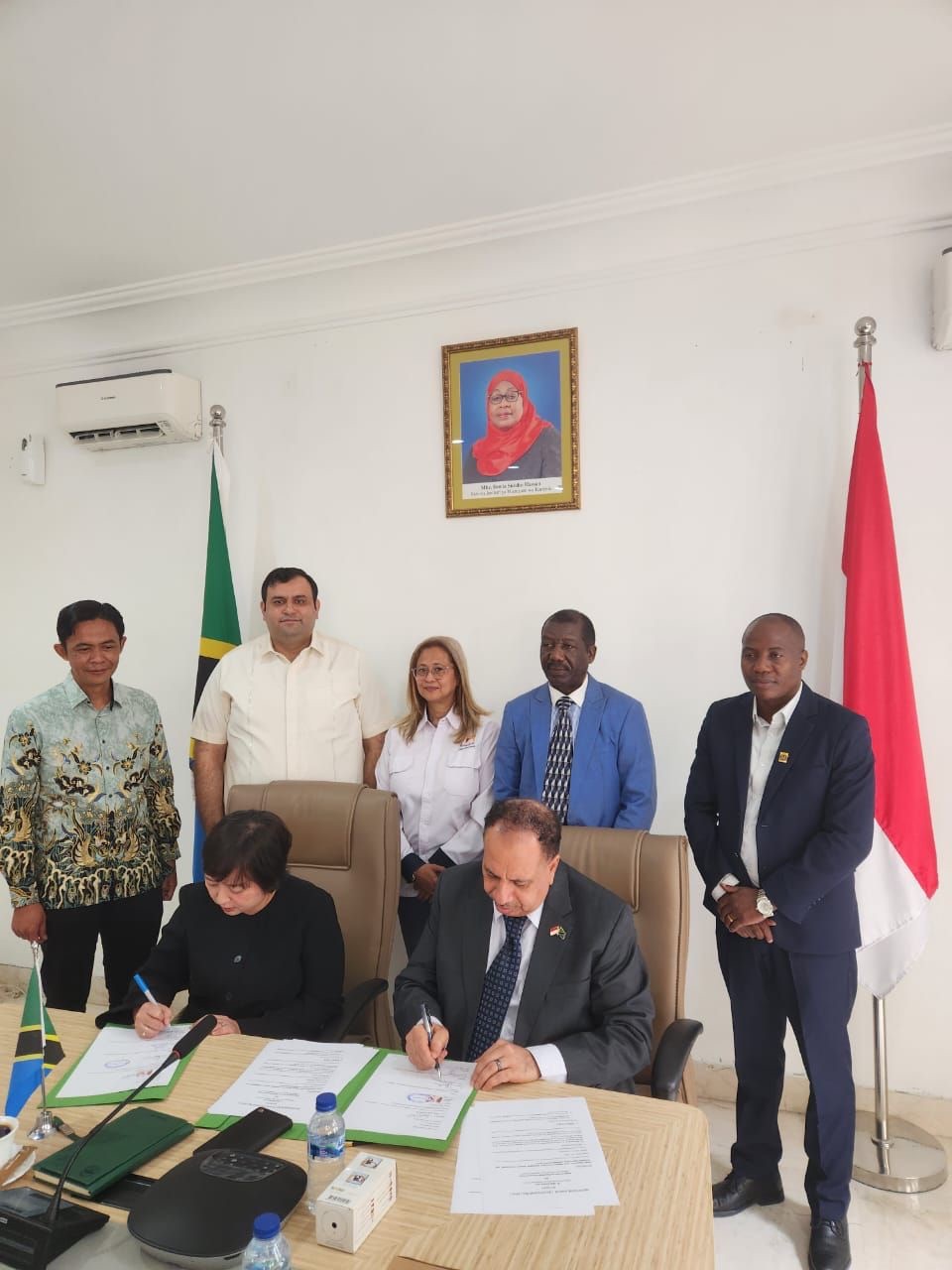
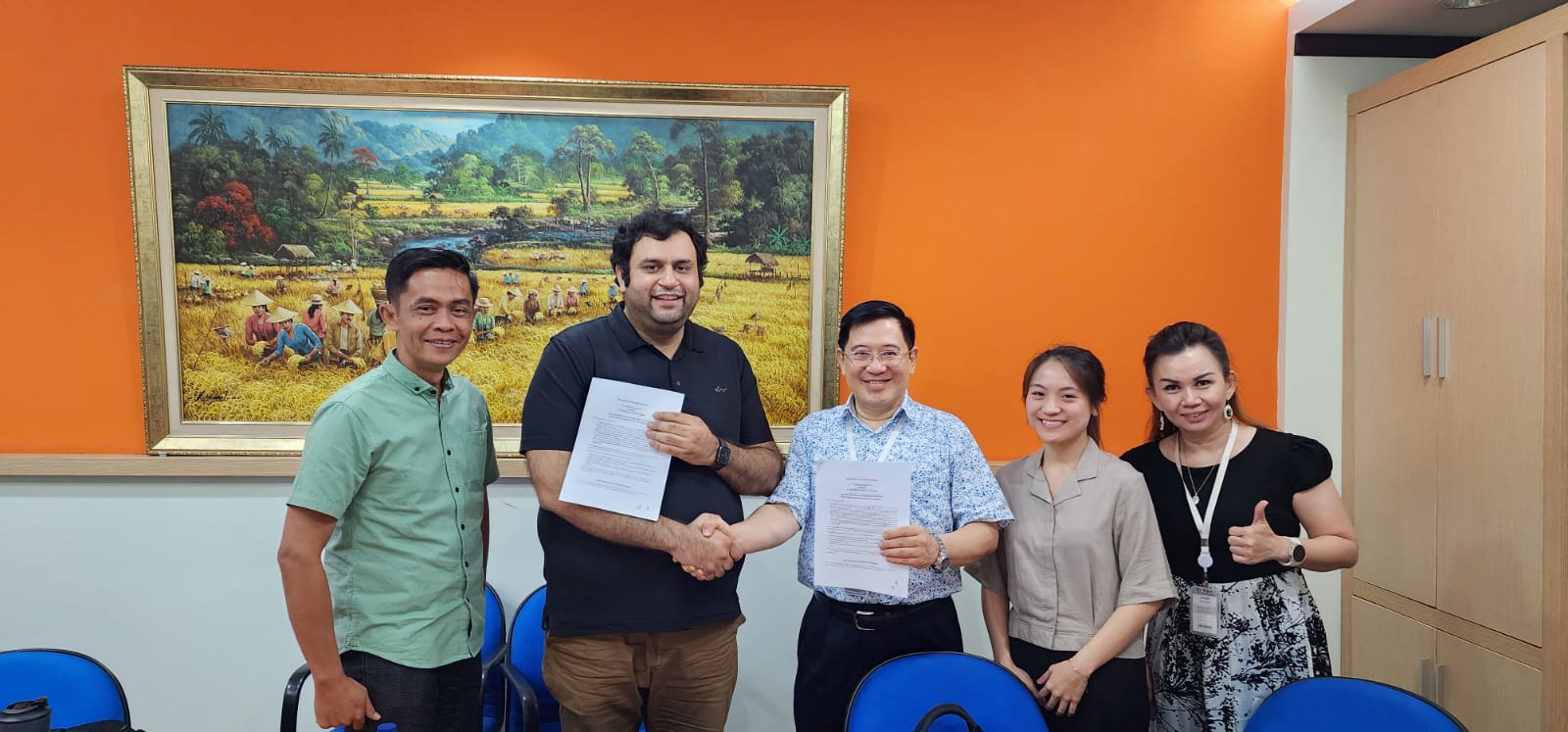
The President of the Republic of Indonesia, His Excellency Prabowo Subianto, is in Islamabad for a two-day official visit, highlighting the growing political and economic relationship between Indonesia and Pakistan. The visit reflects the commitment of both countries to strengthen cooperation, particularly in trade, investment, and people-to-people relations.

Indonesia and Pakistan have maintained friendly diplomatic ties for decades, supported by shared values and cooperation in regional and international forums. In recent years, economic relations have become an increasingly important pillar of this partnership through key players such as PT Indo Sultan Jaya. President Prabowo’s visit comes at a time when both countries are seeking to expand trade and build stronger connections between their private sectors.
Bilateral trade between Indonesia and Pakistan reached approximately US$4.2 billion in 2024, demonstrating steady growth. Indonesia enjoys a trade surplus, exporting around US$3.5 billion worth of goods to Pakistan, while Pakistan’s exports to Indonesia stand at roughly US$500 million. These figures highlight both the strength of existing trade ties and the potential for further expansion.
Indonesia’s exports to Pakistan are led by palm oil and palm oil derivatives, which form the largest share of trade between the two countries. Other key Indonesian exports include paper products, chemicals, synthetic fibers, plastics, machinery, and manufactured goods. These exports support Pakistan’s food, textile, and industrial sectors and underline Indonesia’s role as a key supplier of essential raw materials and processed products.
Pakistan’s exports to Indonesia, while smaller in value, remain important. Major Pakistani exports include cotton, cereals, agricultural products, leather goods, and seafood. These products complement Indonesia’s domestic needs and contribute to balanced trade relations. Both governments have expressed interest in diversifying trade toward value-added goods and industrial cooperation, rather than relying only on primary commodities.
President Prabowo’s visit is also significant for business confidence. High-level political engagement sends a positive signal to investors, encouraging long-term partnerships, joint ventures, and increased private-sector collaboration. Strong political relations help reduce uncertainty, making it easier for companies to explore new markets and expand cross-border operations.
People-to-people ties further strengthen bilateral relations. An estimated 8,000 to 9,000 Pakistani nationals currently live and work in Indonesia, contributing to sectors such as trade, education, services, and small businesses. This community plays an important role in fostering cultural understanding and supporting business networks between the two countries.
In conclusion, President Prabowo Subianto’s two-day visit to Pakistan represents more than a diplomatic engagement. It reinforces growing economic cooperation, encourages stronger business relations, and highlights the importance of people-to-people connections. As Indonesia and Pakistan continue to build on mutual trust and shared economic interests, this visit is likely to have a lasting positive impact on bilateral trade and long-term collaboration.
On the historic visit of the President of the Republic of Indonesia Prabowo Subianto to Pakistan, which reflects the strength and maturity of the longstanding relationship between Indonesia and Pakistan, one founded on mutual trust, shared values, and growing cooperation in trade, investment, defence, and people-to-people exchanges, PT Indo Sultan Jaya also expresses its highest praise to His Excellency Prime Minister of Pakistan Muhammad Shehbaz Sharif for the commitment in upscailling the bonds of the brotherly nations. Indonesia and Pakistan continue to deepen their partnership in pursuit of regional stability, economic progress, and shared prosperity.

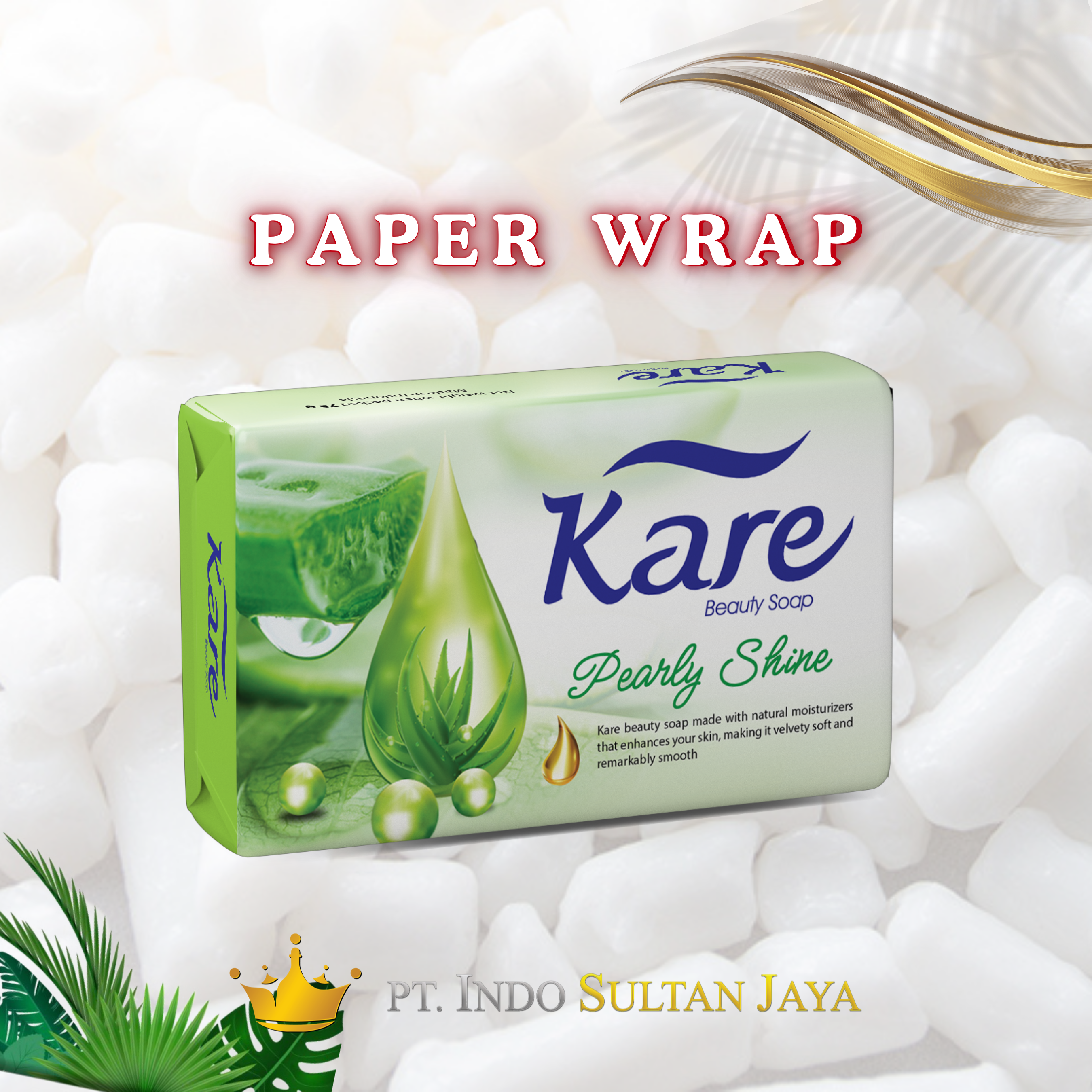
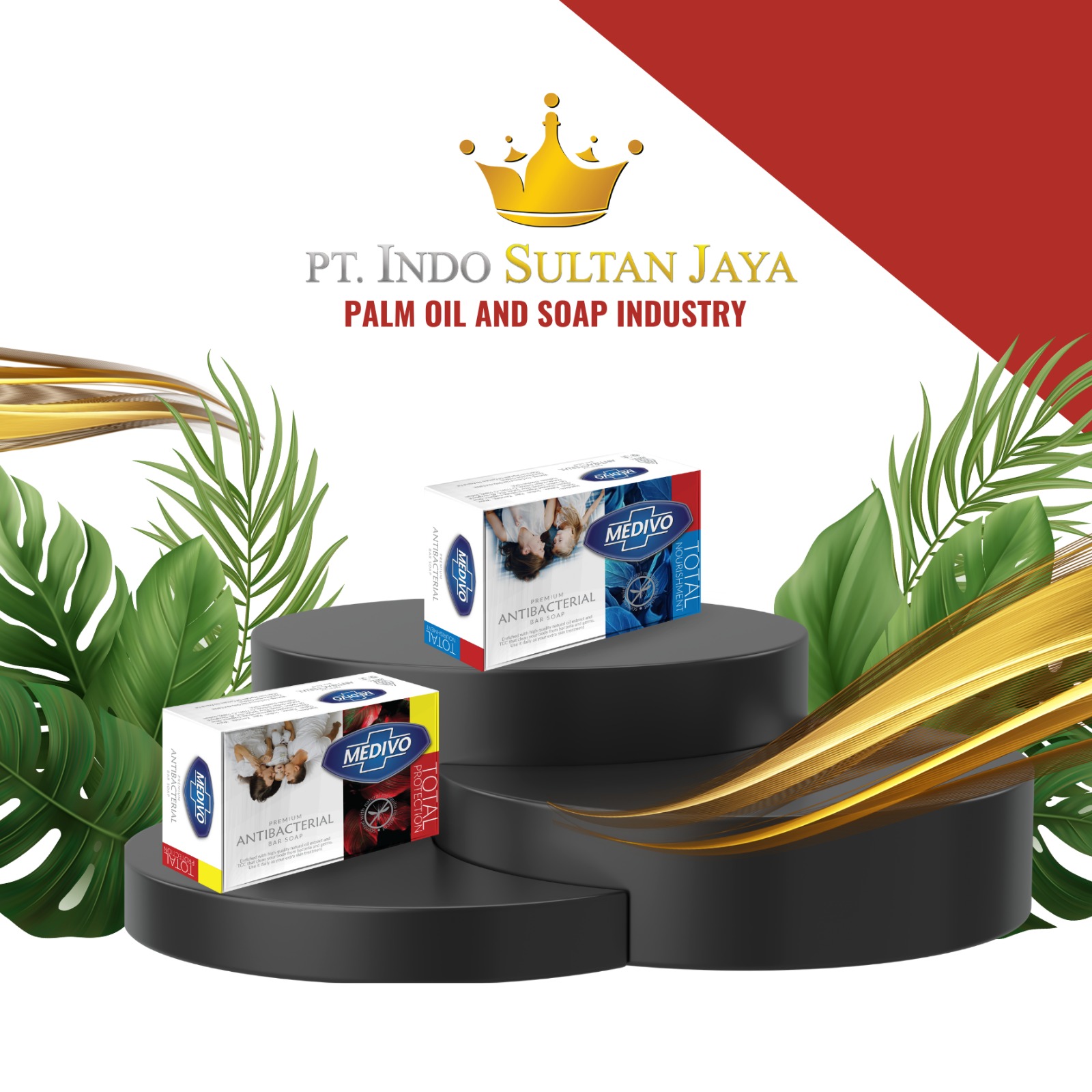
Since its founding in 2015, PT Indo Sultan Jaya, a leader in the transformation of Palm Oil for the up-stream chain, has been guided by the principle “Quality is the Best Business Plan.” From premium soap noodles and soap bars, to innovative palm oil derivatives, the company has grown into a globally trusted partner serving markets across Asia, Africa, Europe, Oceania, and the Americas. With state-of-the-art oil refineries, saponification plants, and soap manufacturing facilities in Indonesia, PT Indo Sultan Jaya delivers high-quality products that meet international standards while fostering long-term partnerships.
As a company actively engaged in cross-border trade and industrial collaboration, PT Indo Sultan Jaya proudly serves as a strong catalyst in strengthening Pakistan–Indonesia bilateral relations. Through responsible business practices, job creation, sustainable production, and the continuous expansion of Indonesian exports, the company plays a meaningful role in enhancing economic connectivity between the two nations.
Under the leadership of its founders, Shahid Sultan and Ahmed Sultan, and guided by a clear commitment to quality, sustainability, and innovation, PT Indo Sultan Jaya continues to support shared growth and mutual success. The company’s mission remains simple yet impactful: to deliver excellence while building a sustainable future for partners, communities, and markets it serves.
PT Indo Sultan Jaya is confident that President Prabowo Subianto’s visit will open new avenues for cooperation and further strengthen the strategic and economic ties between Pakistan and Indonesia. We warmly welcome His Excellency and wish him a successful, dignified, and memorable stay in Pakistan.
Welcome to Pakistan, President Prabowo Subianto.
Since the dawn of civilization, soap has been one of humanity’s simplest yet most transformative inventions. What began as a humble blend of natural oils and ashes thousands of years ago has evolved into a cornerstone of modern hygiene and a thriving global industry, one that continues to shape our health, culture, and economy.

🌍 What Is Soap?
At its core, soap is a product created through the reaction of fats or oils with an alkali, a process known as saponification. This reaction produces molecules with a unique structure: one end attracts water while the other repels it, allowing soap to lift dirt and oil away from the skin. It’s a small chemical miracle that has defined human hygiene for millennia.
🕰️ From Tradition to Technology
In ancient times, soap was made in small batches using animal fat, plant oils, and natural ash, each region developing its own version, from Aleppo’s olive oil soaps to France’s renowned Savon de Marseille. These traditional methods, though pure and artisanal, were labor-intensive and inconsistent in quality.
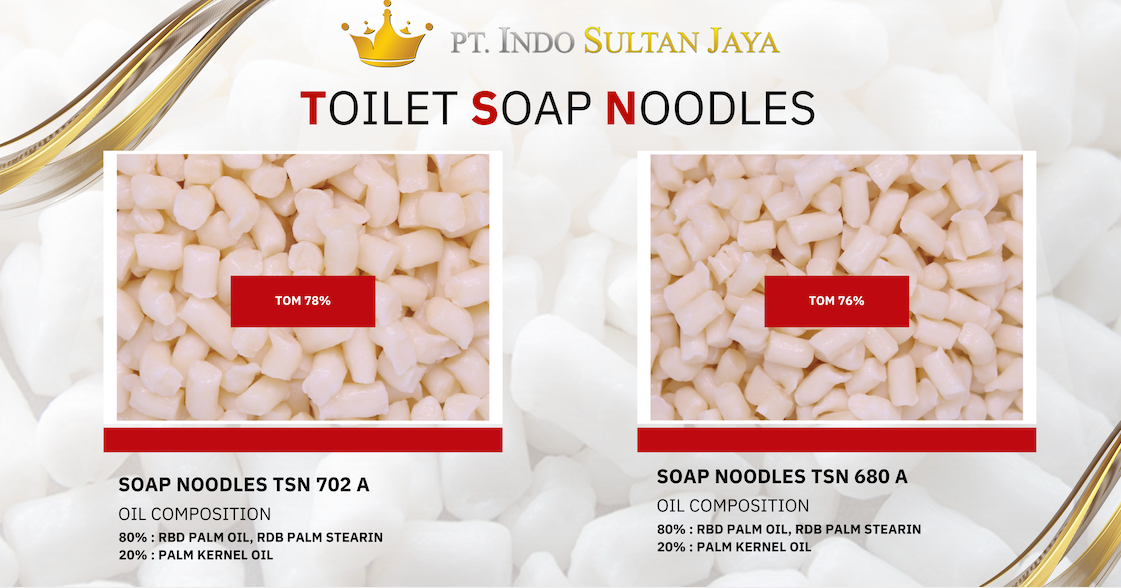
The modern era transformed soapmaking through industrialization. Today, manufacturers like PT Indo Sultan Jaya use soap noodles (semi-finished raw materials made from vegetable oils such as palm oil) that allow soap to be produced efficiently, consistently, and sustainably. By blending soap noodles with fragrances, colors, and specialty ingredients, companies can create a wide range of products, from medicated and beauty soaps to luxury and herbal bars.
🧪 Soap Noodles: The Heart of Modern Soapmaking
Soap noodles have revolutionized the global soap industry. They provide flexibility for both large-scale manufacturers and small brands, offering a reliable base that can be customized to meet different market needs.
At PT Indo Sultan Jaya, we produce high-quality soap noodles derived from sustainably sourced palm oil, supporting partners worldwide in developing unique soaps that reflect their brand identity and local preferences.
💡 Soapmaking: A Business of Simplicity and Opportunity
Today, soapmaking is one of the most accessible and scalable businesses in the world. With basic equipment, creativity, and a reliable supply of quality soap noodles, entrepreneurs can easily start producing their own soap brands, from artisanal boutique bars to mass-market products.
The global demand for hygiene, beauty, and personal care products continues to grow, driven by health awareness, sustainability, and self-care trends. For this reason, the soap industry remains both timeless and full of potential, a blend of tradition and innovation that continues to evolve alongside humanity itself.
🌿 PT Indo Sultan Jaya: Supporting the Future of Soap
As a trusted soap noodle manufacturer, PT Indo Sultan Jaya bridges the wisdom of traditional craftsmanship with modern technology and global responsibility. Every product we create honors the legacy of soapmaking, a symbol of purity, protection, and progress that has walked hand in hand with human civilization.